Globally Optimal Intensity-Geometry ICP for Robust LiDAR Odometry
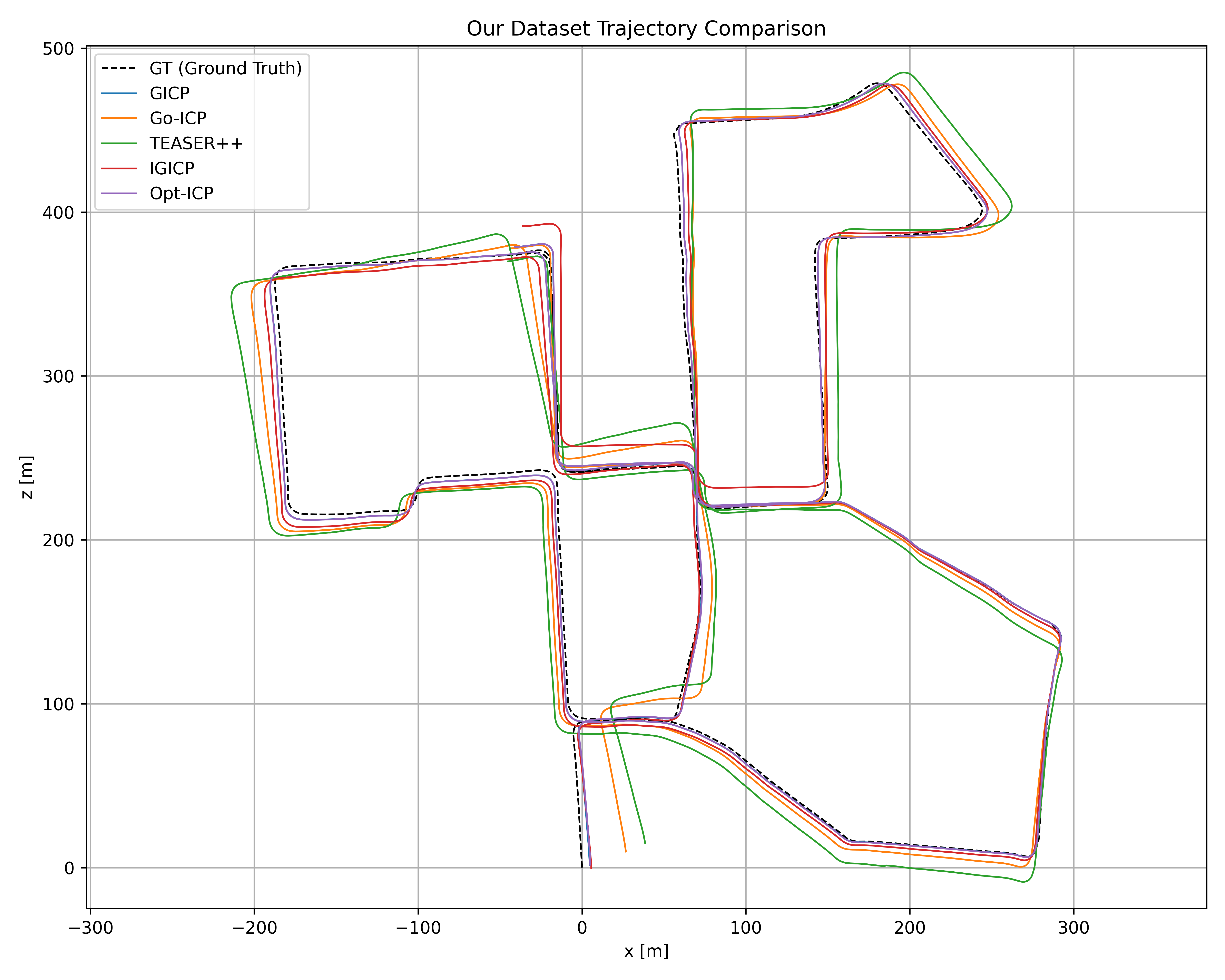
Branch-and-Bound optimization framework for intensity-geometry enhanced point cloud registration that guarantees global convergence on the Special Euclidean group SE(3)
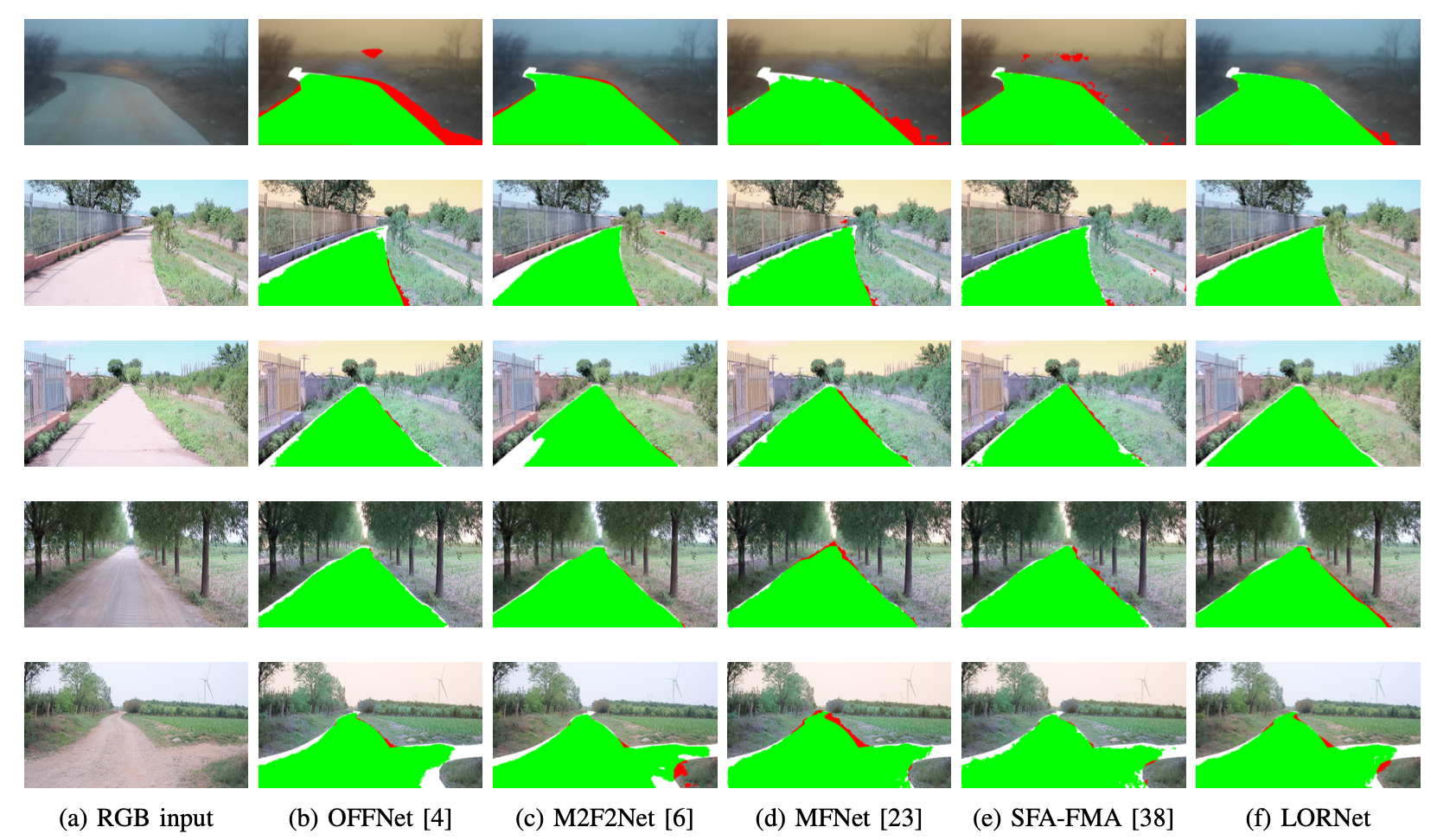
A lightweight unstructured off-road segmentation model specifically engineered to operate efficiently on embedded systems with minimal computational resources
Enhancing 3D LIDAR Point Cloud registration through three synergistic components: (1) a physics-based spatial variance term modeling LIDAR uncertainty, (2) hierarchical outlier rejection, and (3) covariance-preserving voxelization
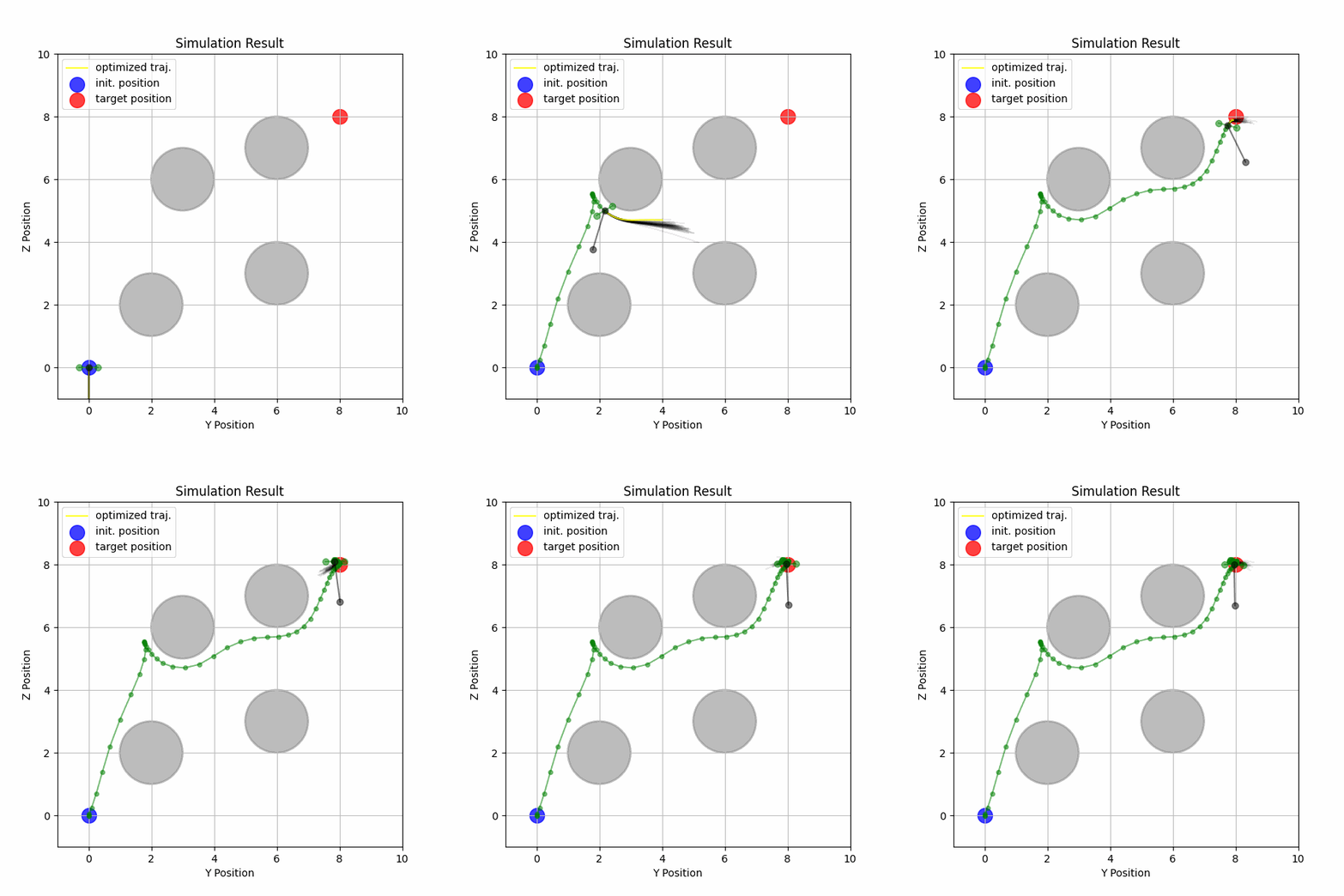
Integrating Control Barrier Functions (CBFs), chance constraints, and Model Predictive Path Integral (MPPI) control for planar quadrotor with suspended payloads
Teleoperated excavator robots face significant challenges when performing digging tasks in hazardous environments, especially due to unstable signals and high latency. These limitations hinder the robot’s precision and responsiveness. Therefore, this research aims to develop an autonomous excavator robot system to overcome these issues.
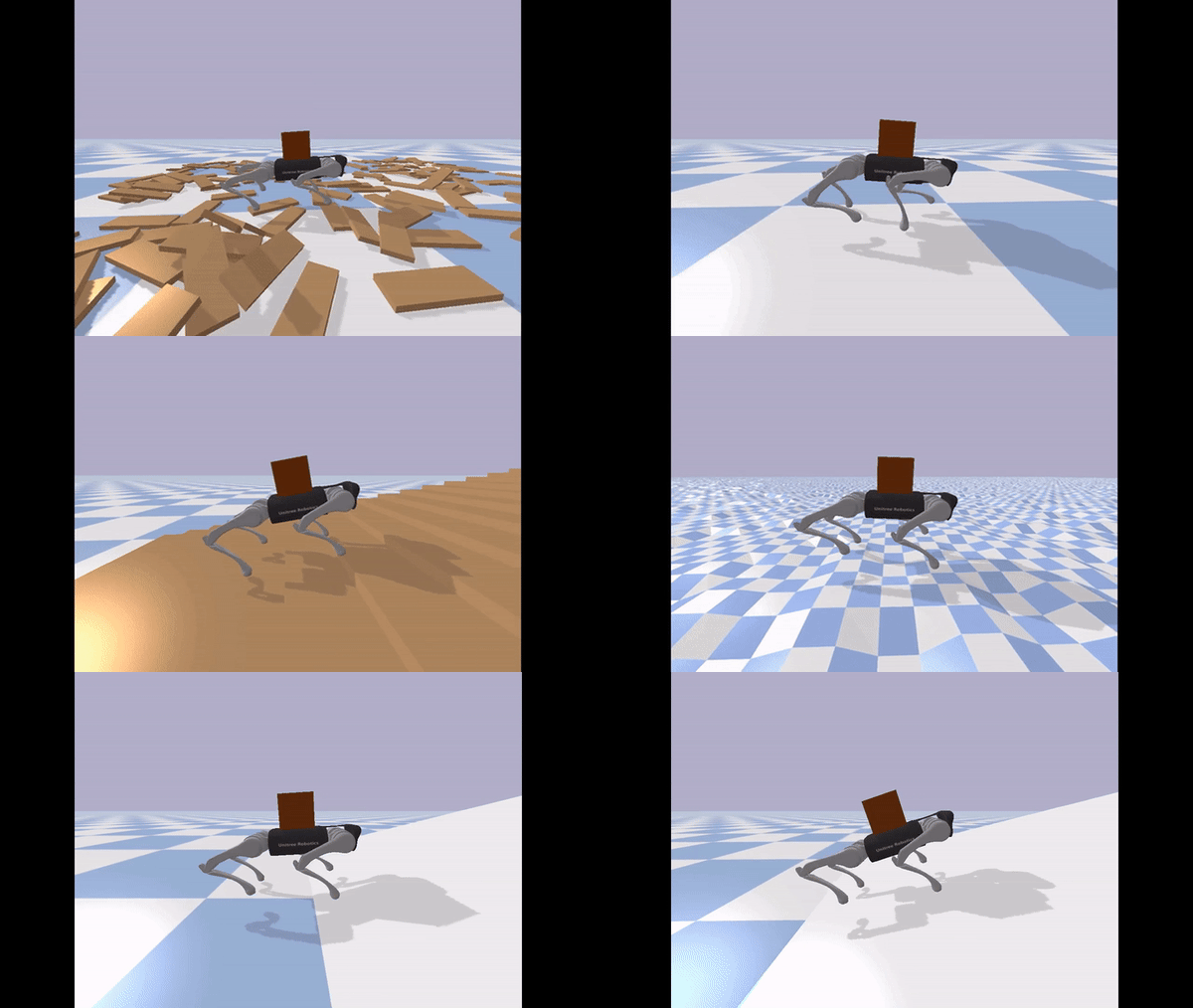
Quadruped locomotion and navigation with unmodeled payloads and uneven terrains
This study proposes a Deep Q-Network (DQN)-based approach to control a segmented soft growing robot in a 3D simulated environment with dynamic targets and static obstacles.
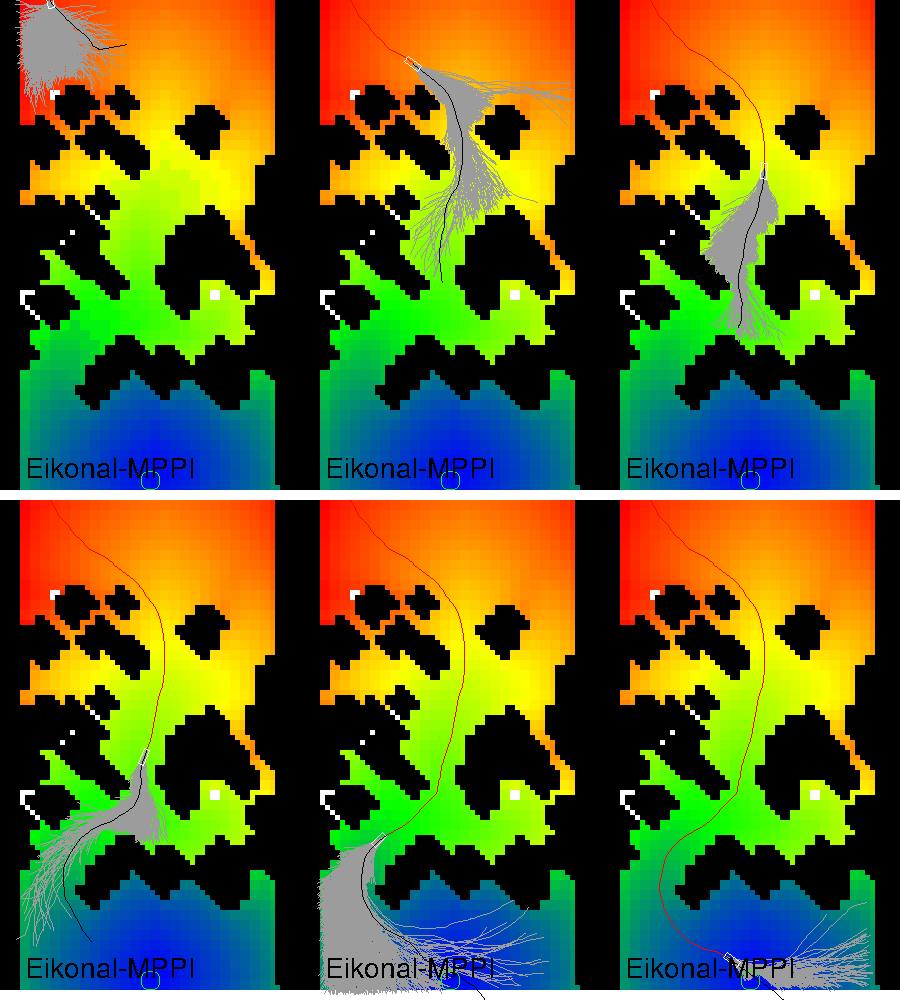
Integrating the Eikonal-based cost map into a Model Predictive Path Integral
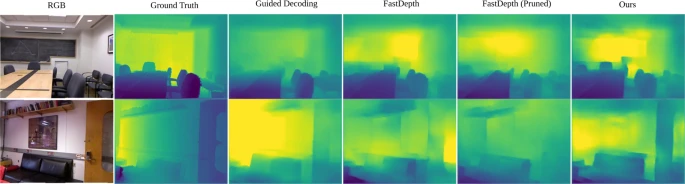
A novel deep learning approach for monocular depth estimation with fewer computational and memory resources
Linear Quadratic Gaussian (LQG) adaptive controller to control the attitude of the bicopter with uncertain payload conditions
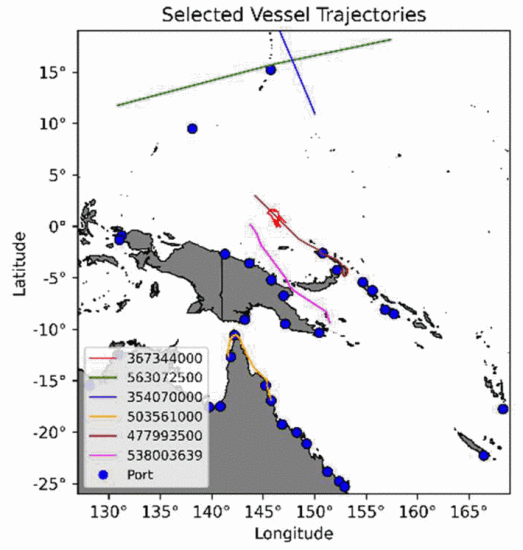
An approach for predicting maritime vessel trajectories in the Seas around Papua Island, East Indonesia, leveraging space-based Automatic Identification System (AIS) data from LAPAN satellites
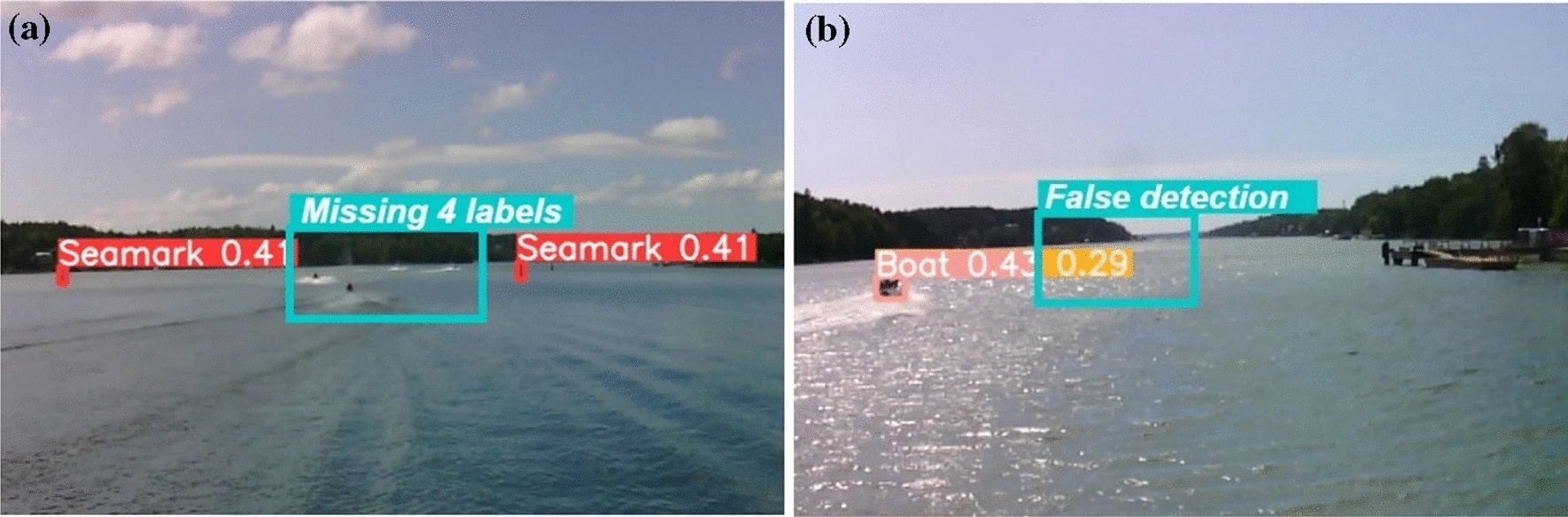
EL-YOLO (Efficient Lightweight You Only Look Once) algorithm based on YOLOv8, designed specifically for intelligent ship object detection
An AIRL algorithm for reward learners to improve the RL algorithm to get an optimal policy for mobile robot navigation tasks